Trigger Point Therapy
What is trigger point therapy?
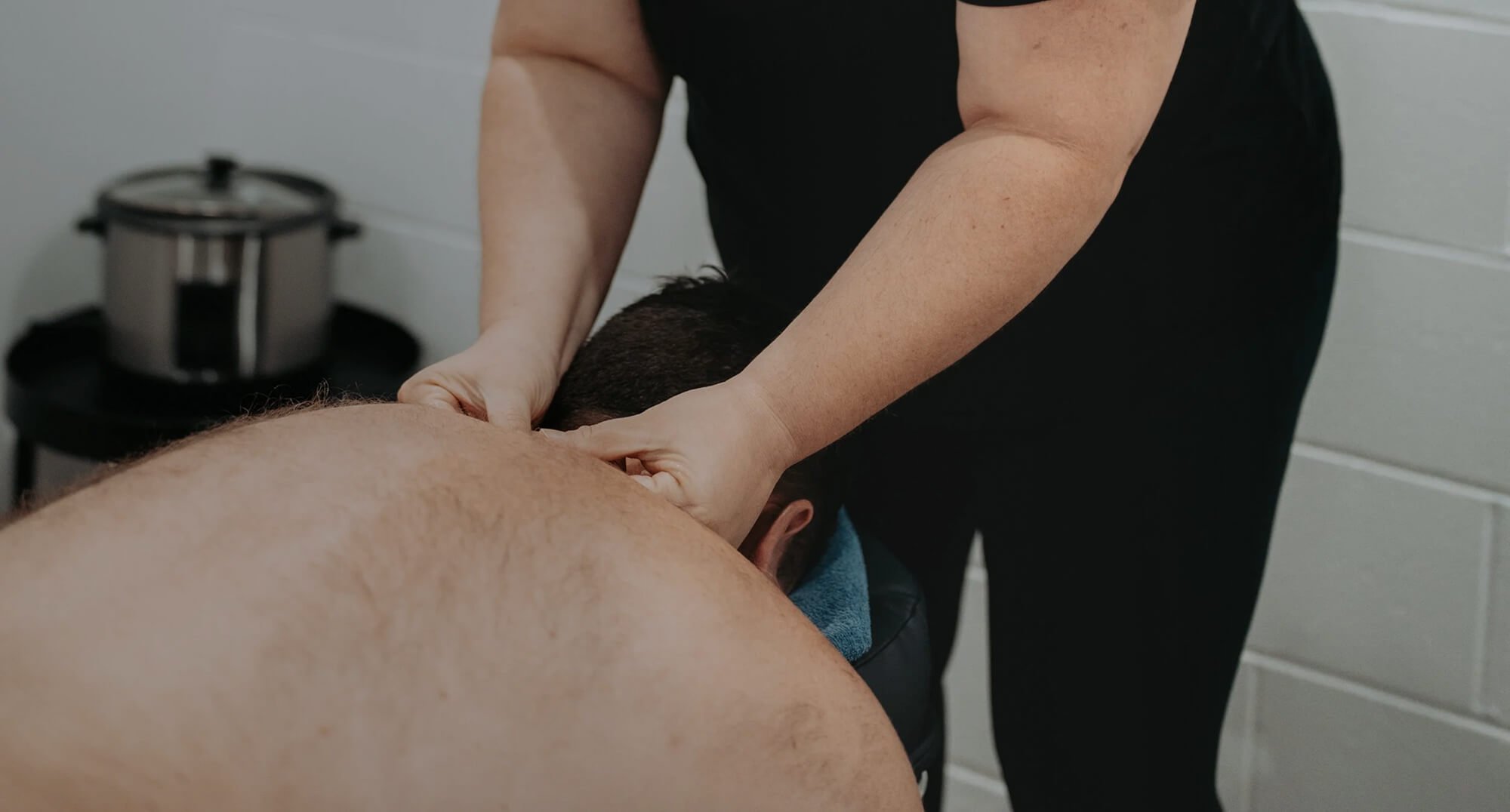
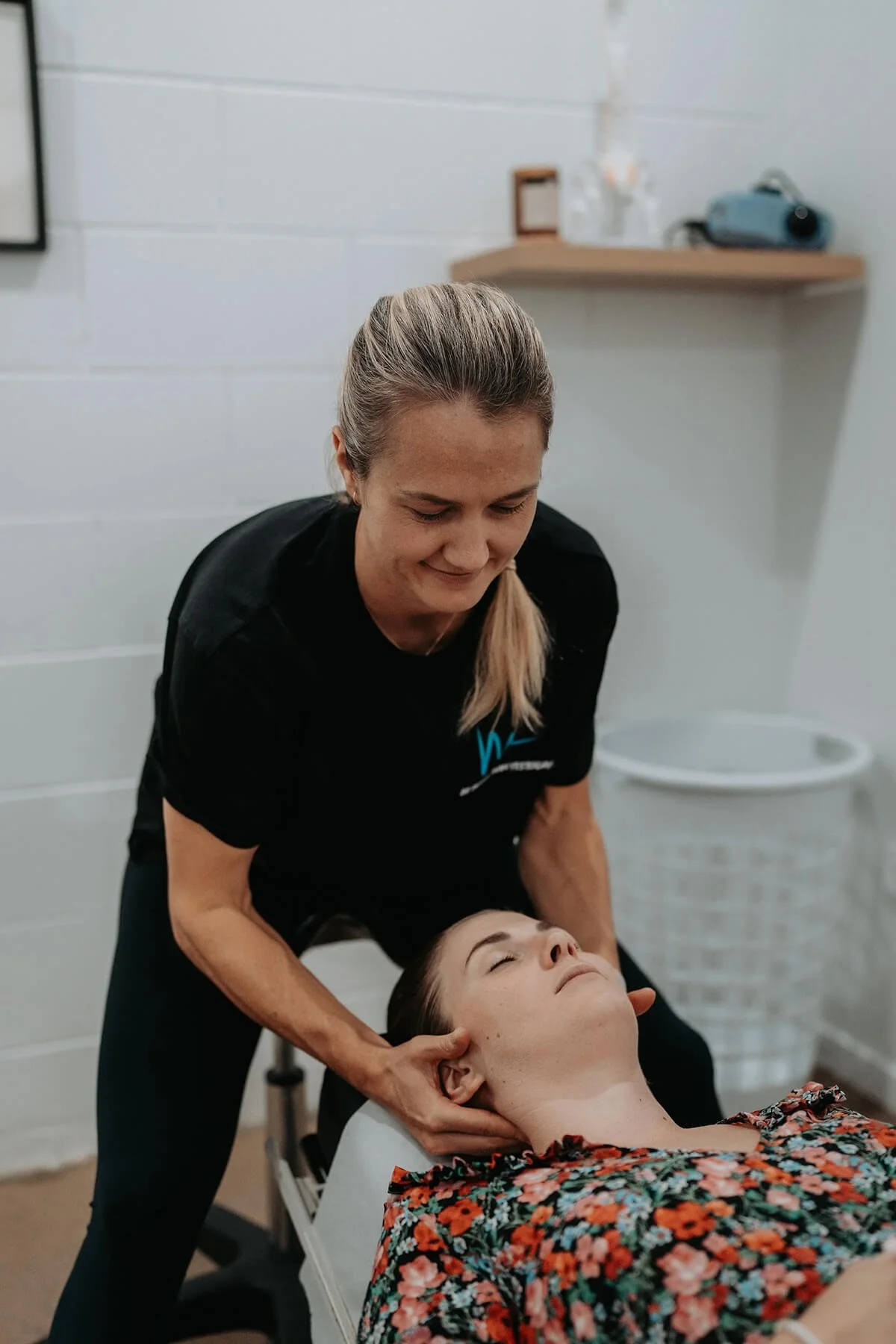
Trigger point therapy is a hands-on treatment that applies sustained pressure to tight muscle knots to help reduce pain, ease tension, and improve movement.
It targets sensitive trigger points that can refer pain to other areas of the body and restrict normal muscle function, helping the muscle relax and move more freely.
Along with trigger point therapy, your practitioner may use chiropractic adjustments, dry needling, remedial massage, soft tissue techniques, or rehabilitation exercises to help improve recovery and restore normal movement.

What are the benefits?
Relieves muscle pain: Helps release tight trigger points that can cause local pain, tenderness, and referred discomfort.
Improves movement: Reduces muscle tension to restore flexibility and improve joint range of motion.
Eases tension headaches: Releasing trigger points in the neck and shoulders may help reduce headache frequency and muscle tightness.
Improves muscle function: Helps restore normal muscle activation so you can move more comfortably and with greater ease.
Trigger Point Therapy FAQ
-
Most people can return to their usual activities straight after treatment. You may experience mild muscle soreness for 24 hours, similar to after a workout, but this usually settles quickly as the tissue responds.
-
Trigger points often cause pain that radiates away from the affected muscle. During your assessment, your practitioner will examine your symptoms and identify any trigger points contributing to your pain.
-
This depends on how long the problem has been present and how your body responds. Some people notice improvement after one or two sessions, while more persistent issues may require a short course of treatment.
-
No. Deep tissue massage treats broader muscle tension, while trigger point therapy applies sustained pressure to specific trigger points to release referred pain and muscle tightness.
-
Trigger point therapy is commonly used for neck and shoulder pain, lower back pain, tension headaches, jaw pain, hip and leg tightness, and muscular discomfort caused by repetitive movements or prolonged sitting.
-
Book an appointment, and we'll begin with a thorough assessment to identify the source of your pain. From there, we'll create a personalised treatment plan to help you move and feel better.