Graston Technique
What is the Graston technique?
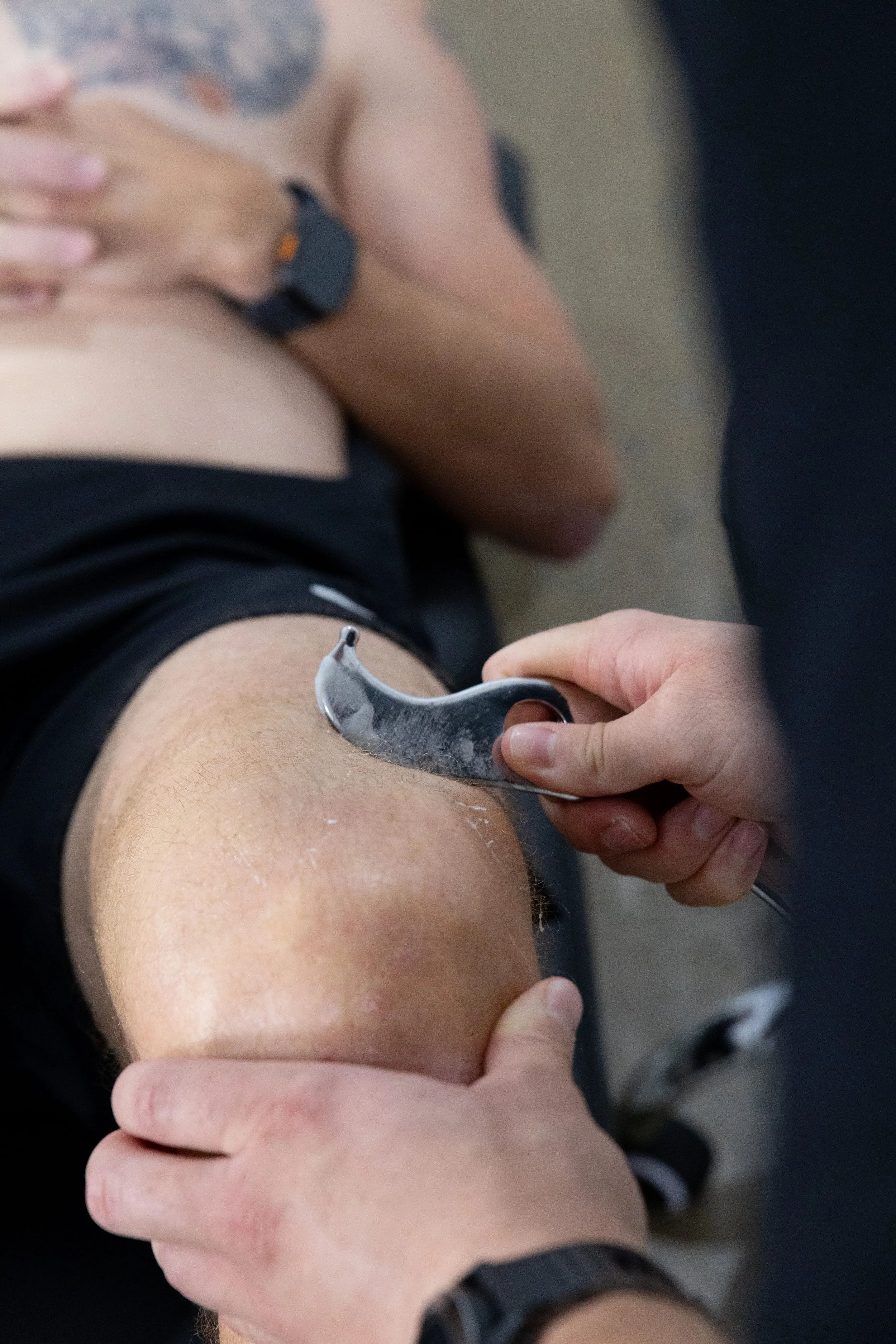
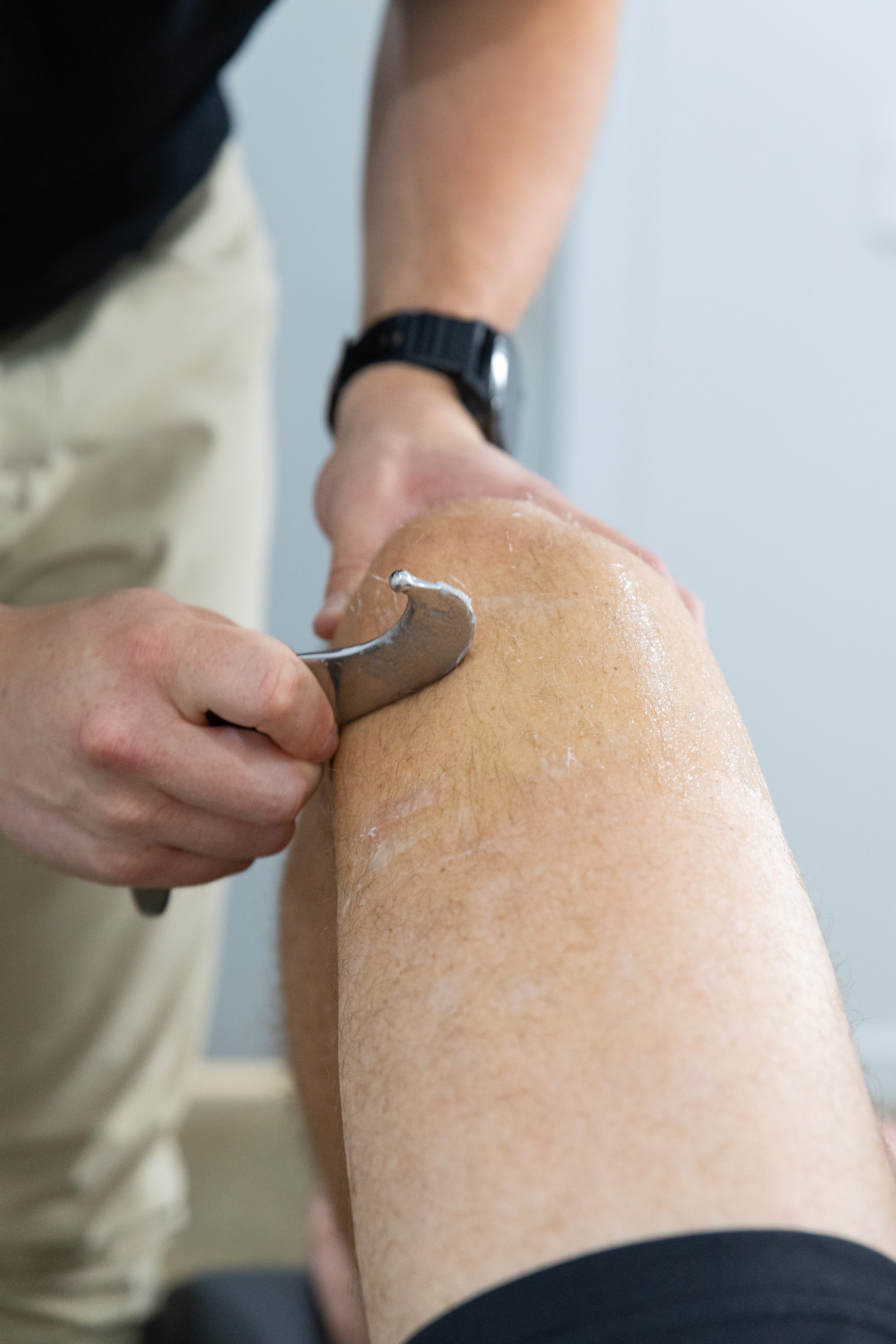
The Graston Technique, also known as scraping, is an instrument-assisted soft tissue therapy that uses specialised stainless steel tools to help reduce pain, improve mobility, and restore healthy tissue movement.
The tools allow your practitioner to detect and treat areas of scar tissue, fascial restriction, and chronic muscle tightness that may not be easily identified by hand alone.
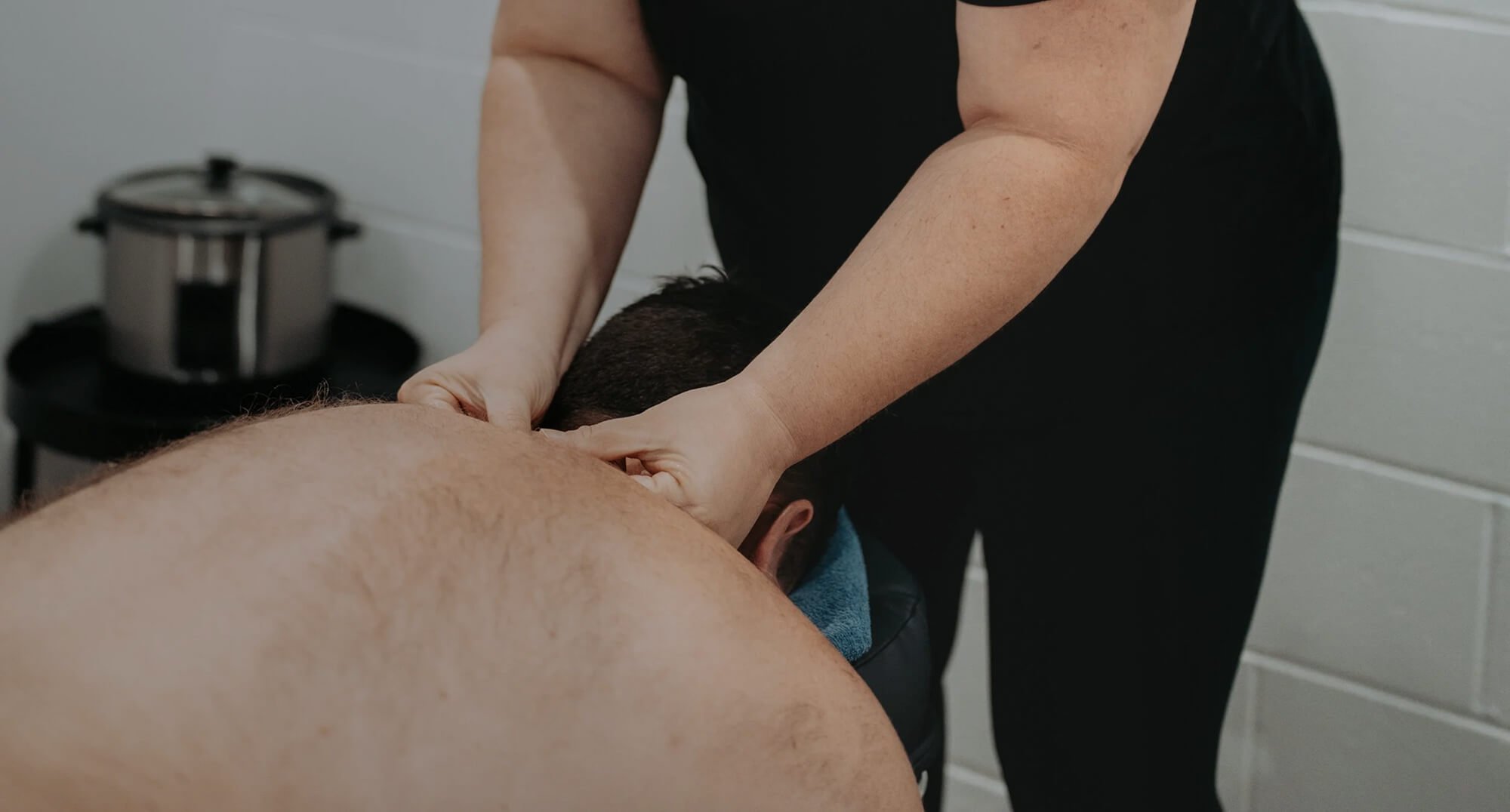
Where appropriate, the Graston Technique may be used alongside chiropractic adjustments, remedial massage, dry needling, or rehabilitation exercises as part of a personalised treatment plan to improve recovery and long-term function.
What are the benefits?
Breaks down scar tissue: Helps release adhesions and soft tissue restrictions that can limit movement and contribute to ongoing pain.
Improves mobility: Restores healthy tissue movement to improve flexibility and range of motion.
Supports injury recovery: Encourages healthy tissue healing and may help reduce pain from overuse, strains, and repetitive stress.
Targets the source of pain: Focuses on the soft tissue restrictions contributing to pain and limited movement rather than simply managing symptoms.
Graston Technique FAQ
-
Most people feel a mild scraping or pressure sensation during treatment, particularly over areas with significant restriction or scar tissue. It's rarely described as sharp pain, and the intensity is always adjusted to your comfort level. Some temporary redness or minor bruising can appear afterwards, which is a normal response to increased circulation in the treated tissue.
-
While remedial massage uses hands to treat muscular tension, the Graston Technique uses specialised stainless steel instruments to detect and treat scar tissue and fascial restrictions more precisely. The tools can identify subtle tissue changes that are difficult to feel by hand, making it particularly effective for chronic soft tissue dysfunction.
-
The Graston Technique is commonly used for plantar fasciitis, Achilles tendinopathy, IT band syndrome, rotator cuff injuries, tennis elbow, shin splints, and ongoing neck or back tightness. It's especially helpful when soft tissue restrictions have developed from injury, repetitive strain, or poor posture.
-
Many people notice improved movement and reduced discomfort within two to four sessions, although this depends on the severity and duration of the condition. Your chiropractor will monitor your progress and adjust your treatment plan as needed.
-
Yes. The Graston Technique is often used alongside chiropractic adjustments, remedial massage, and rehabilitation exercises. Combining treatments can improve recovery and provide better long-term results.
-
It depends on the stage of healing. Instrument-assisted treatment is generally not used immediately after an injury while significant inflammation is present.
Once the tissue has started to heal, it can help address lingering tightness, scar tissue, and movement restrictions. Your chiropractor will determine the right time to introduce it.