Soft Tissue Massage
What is soft tissue massage?
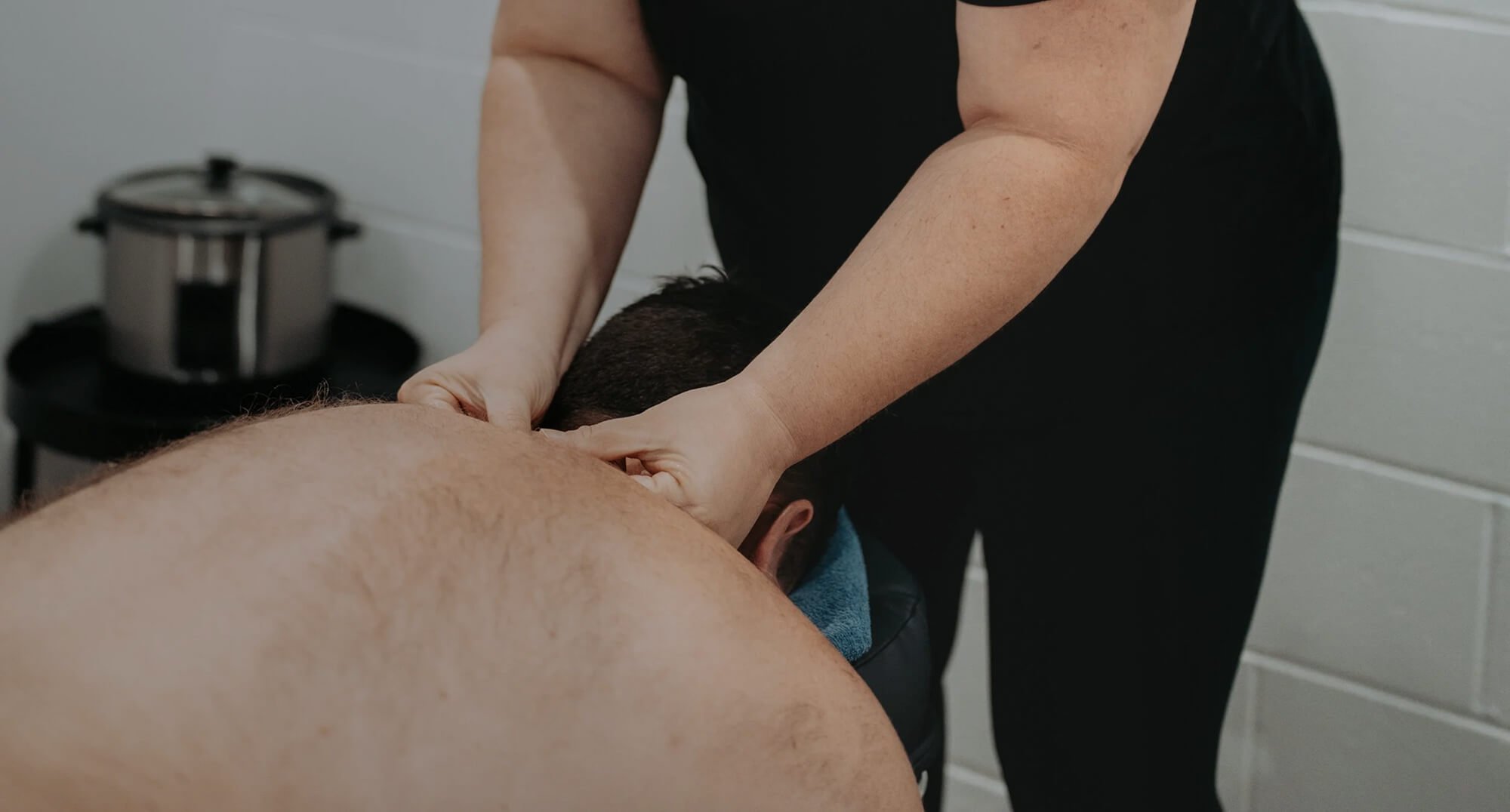
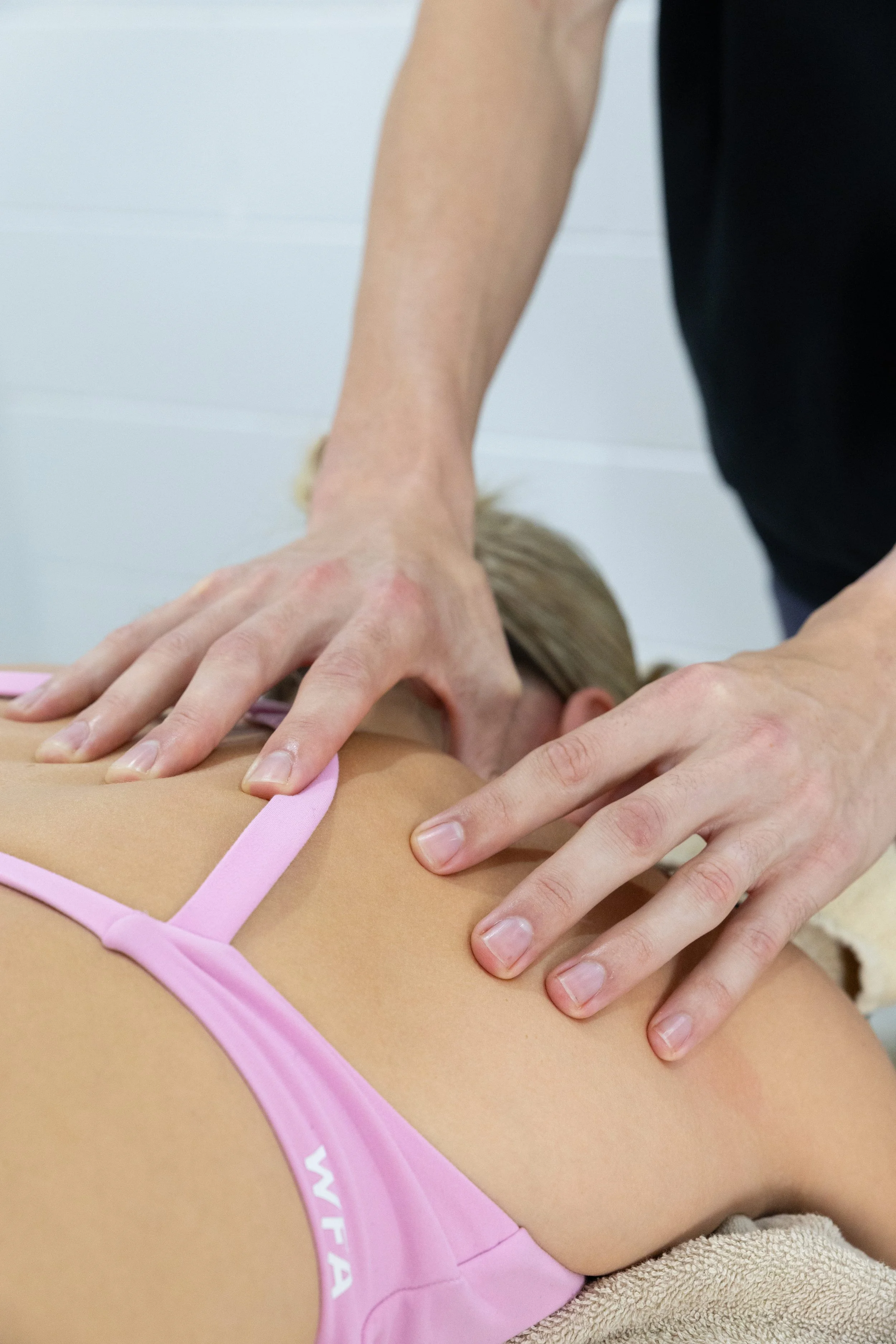
Soft tissue massage is a hands-on treatment that targets the muscles, fascia, tendons, and connective tissue contributing to pain or restricted movement. Using techniques such as myofascial release helps reduce tension, improve mobility, and support better movement.
Your practitioner uses a range of soft tissue techniques, including myofascial release, trigger point therapy, and deep tissue massage, depending on your condition, comfort, and goals.
Every treatment begins with an assessment to identify areas of tension and restriction. Where appropriate, soft tissue massage may be combined with chiropractic adjustments, dry needling, cupping, remedial massage, or rehabilitation exercises for better long-term results.
What are the benefits?
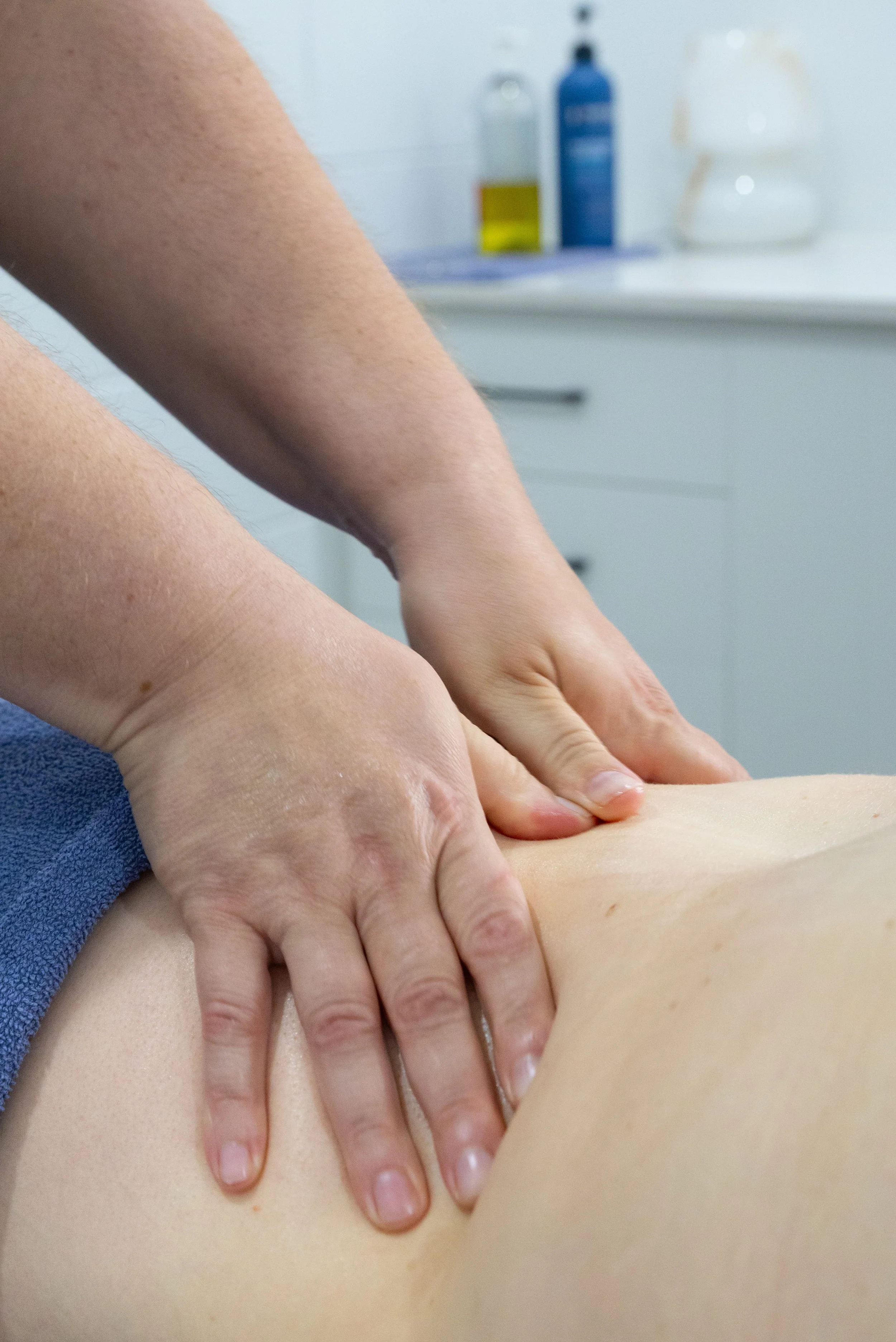
Relieves muscle tension: Helps reduce tightness, trigger points, and fascial restrictions that can contribute to pain and stiffness.
Improves movement and flexibility: Restores soft tissue mobility so muscles and joints can move more freely.
Supports injury recovery: Encourages healthy tissue function and may help reduce discomfort from strains, overuse, and postural stress.
Complements your treatment plan: Works alongside chiropractic care, dry needling, cupping, or rehabilitation exercises to support lasting results.
Soft Tissue Massage FAQ
-
There's often a "good hurt" sensation when pressure is applied to a tight or restricted area, firm but manageable. Your practitioner adjusts the depth based on your comfort and feedback throughout the session, so you're always in control of how the treatment feels.
-
Many people feel a meaningful improvement in muscle ease and movement after their first or second session. How many sessions you'll need overall depends on how long the problem has been building, its severity, and whether it's part of a broader treatment plan.
-
Soft tissue massage is well suited to muscular tightness, chronic back and neck pain, shoulder tension, sports injuries, repetitive strain, and movement restrictions caused by adhesions or fascial tightness. It's also helpful for managing the physical effects of stress that accumulate in the muscles over time.
-
It’s a good idea to stay hydrated before your appointment and wear comfortable clothing you can move in. Let your practitioner know about any recent injuries, medical conditions, or areas of concern so your treatment can be tailored to your needs.
-
Yes. Ongoing pain or repeated flare-ups can be caused by persistent muscle tension or restricted soft tissue. Soft tissue massage helps address these underlying issues to support longer-lasting relief and recovery.
-
Remedial massage is a broad form of treatment that uses a variety of techniques. Soft tissue massage focuses specifically on treating muscles, fascia, and connective tissue with targeted techniques to improve movement, reduce tension, and address the underlying cause of dysfunction.