Why Plyometric Training Matters in the Final Stages of Rehabilitation
By Dr. Darin Fodor, Chiropractor
When most people think of rehabilitation, they picture stretching, basic strengthening, or hands-on therapy. While those elements are crucial early on, they’re only the beginning. The final phase of rehab is where true transformation happens — where you rebuild power, resilience, confidence, and the ability to move dynamically again.
One of the most effective tools in this stage is plyometric training.
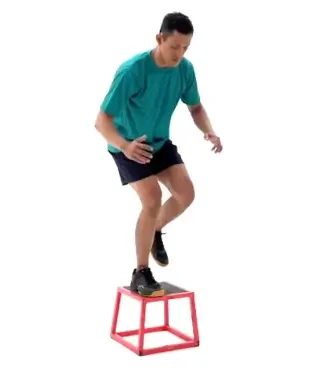
What Is Plyometric Training? (Explosive Movement for Real-World Function)
Plyometrics involve fast, explosive movements such as jumping, hopping, bounding, skipping, and throwing. These exercises train the body to absorb and produce force quickly, a skill needed for everyday movement, work tasks, and sport.
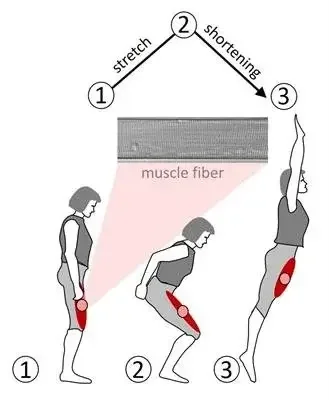
Plyometrics utilise the stretch–shortening cycle, which allows muscles and tendons to store elastic energy and release it efficiently. Training this cycle improves power, speed, and control.
Why Plyometrics are used in End-Stage Rehab
-
Plyometrics safely reintroduce high-load forces so muscles, tendons, and joints can adapt and become more resilient. This is vital after injuries involving:
Ankle sprains
ACL and knee injuries
Patellofemoral pain
Achilles tendinopathies
Shoulder instability
Skipping this step increases the likelihood of re-injury.
-
Plyometrics train your body to respond quickly to sudden forces. They enhance:
Proprioception and body awareness
Eccentric (landing) strength
Joint stability
Reactive balance
This prepares you for real-life scenarios like changing direction, catching yourself from a fall, or stepping off a curb unexpectedly.
-
Strength alone doesn’t guarantee readiness for sport or daily demands. Plyometrics retrain your ability to:
Accelerate
Change direction
Absorb impact
Produce force rapidly
For athletes, this boosts performance.
For everyone else, it improves functional confidence and independence.
-
Low-level plyometrics help build fast-twitch muscle fibres and reactive stepping strategies — both essential for preventing falls, especially in older adults.
-
Many people finish rehab when pain disappears, but pain-free doesn’t mean fully prepared.
Plyometric training ensures you are:
Strong
Stable
Confident
Prepared for real-world movement
It’s the difference between walking pain-free and being ready to run, lift, jump, or return to sport.
Plyometric Progressions: Building Explosive Strength
A typical rehabilitation progression may include:
Low-Level Plyometrics
Skipping
Gentle hops
Medicine-ball chest throws
Intermediate Plyometrics
Squat jumps
Lateral bounds
Drop catches
Advanced Plyometrics
Single-leg hops
Box jumps
Depth jumps
Rotational medicine-ball throws
Your chiropractor will select exercises based on your sport, work demands, and goals.
Plyometrics Complete the Rehab Journey
End-stage rehabilitation isn’t complete without preparing your body for fast, dynamic, real-world movement. Plyometrics help build resilience, restore confidence, and protect against re-injury — whether you're an athlete or someone who wants to stay active without pain.
If you're returning from an injury or looking to improve performance safely, our chiropractors can assess your readiness and guide your progression.
Book an appointment today to start your progression back to full strength, power, and function!